Our winters often bring heavy rain, frost, and low light – a tough mix for lawns. Constant moisture can:
Cause waterlogging, starving grass roots of oxygen.
Lead to moss, thatch, and fungal disease.
Compact the soil, especially if you walk on it or mow it.
Understanding these problems helps you take action now and set your lawn up for a quick recovery in spring.
1. Avoid Walking on Waterlogged Grass
It might be tempting to cross the garden, but every step on soggy soil presses the air out of the ground and compacts it – making drainage even worse.
If possible, use paths or stepping stones until conditions dry.
If your garden tends to flood, consider adding gravel walkways or stepping pads for next winter.
Tip: Once the ground has drained slightly, gently spike the surface with a garden fork to reopen compacted soil.
2. Improve Lawn Drainage Naturally
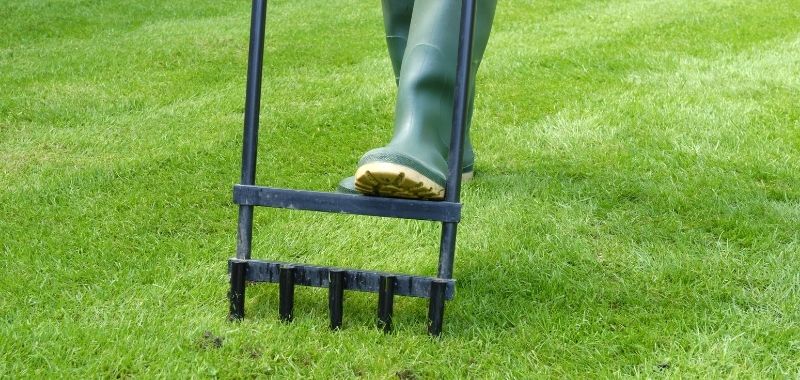
If you notice puddles that stay for days, your soil probably needs aeration.
Use a garden fork or hollow-tine aerator to make holes 5–10 cm deep.
Brush sharp sand or fine compost into the holes to improve drainage and airflow.
For heavy clay soils, aerate in late winter or early spring when the ground is firmer.
Pro Tip: Power aerators and scarifiers can make the job easier and quicker - check out our range of lawn care tools or book a machine service before spring.
When the weather finally dries, your lawn will thank you for a little extra attention.
Apply a light spring feed in March or April.
Reseed any bare patches caused by winter wear.
Continue aerating and scarifying as the soil warms up.
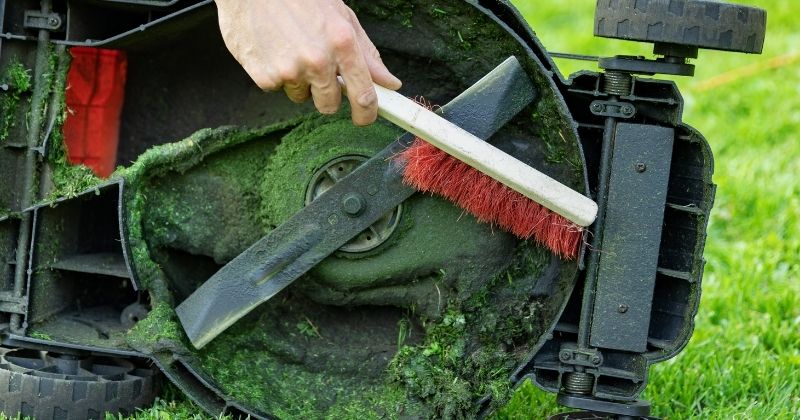
Wet winter weather doesn’t have to spell disaster for your lawn. By avoiding compaction, improving drainage, clearing debris, and maintaining your equipment, you’ll protect your grass and be ready for your lawn to bounce back greener and stronger once the mowing season returns.
Wet winter weather doesn’t have to spell disaster for your lawn. By avoiding compaction, improving drainage, clearing debris, and maintaining your equipment, you’ll protect your grass and be ready for your lawn to bounce back greener and stronger once the mowing season returns.
Beat the spring rush Book your lawnmower in for a full winter service with MowersUK today.
Our expert team will keep your machine running smoothly and your lawn looking its best when the rain finally stops.