


How to Make Your Garden
a Haven for Wildlife This Winter
Six simple ways to help garden wildlife this winter, from feeding birds to sheltering hedgehogs.
How to Make Your Garden
a Haven for Wildlife This Winter
Six simple ways to help garden wildlife this winter, from feeding birds to sheltering hedgehogs.
As the days shorten and temperatures drop, the garden begins to look quieter. It’s easy to think little is happening outdoors during winter, but while many plants are resting and the lawn has stopped growing, your garden can play an important role in supporting local wildlife.
December can be particularly challenging for birds, insects, hedgehogs and other garden visitors. Natural food sources become harder to find, temperatures fall and suitable shelter can be limited.
The good news is that you don’t need a large garden or specialist equipment to make a difference. A few simple changes can turn your outdoor space into a welcoming haven for wildlife throughout the colder months.
Here are some easy ways to give nature a helping hand this winter.
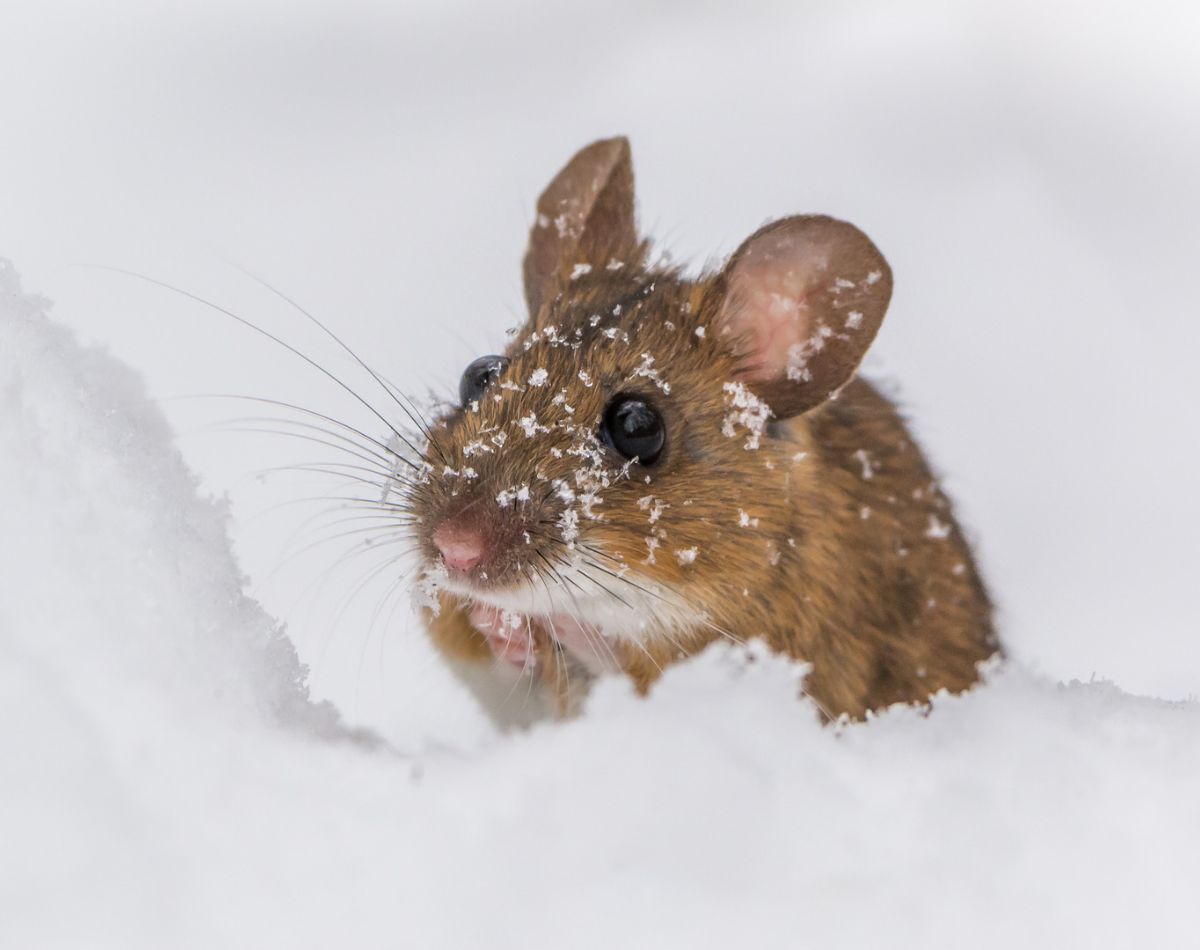
1. Give the birds a helping hand
Give them some autumn care.
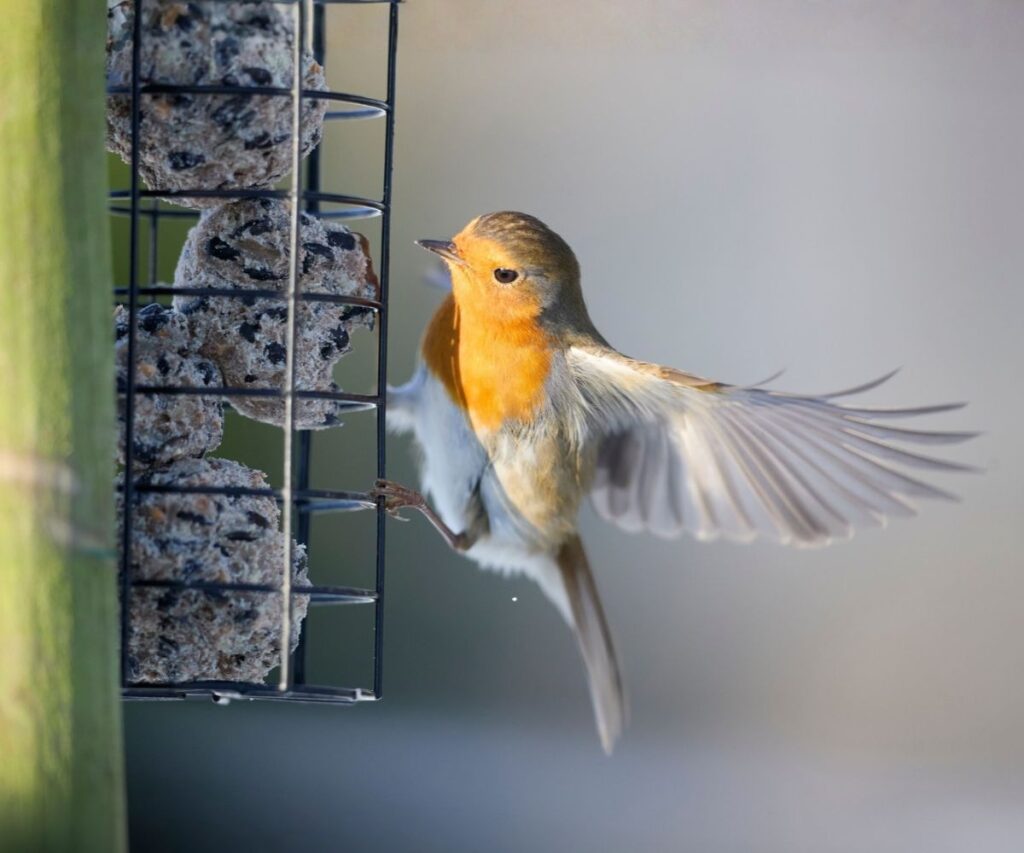
Winter can be difficult for garden birds, particularly when the ground is frozen and natural food supplies are limited.
Putting out a bird feeder provides an important food source and encourages more feathered visitors. Sunflower hearts, peanuts in suitable feeders and seed mixes are all popular choices.
Try to position feeders in an open area where birds can spot predators, away from places where cats might hide but within reasonable reach of protective cover.
- Hang feeders at least 1.8–2 metres above the ground.
- Keep them away from fences, walls, sheds and branches that cats could use to jump from.
- Use a smooth metal pole with a predator baffle (a wide cone or dome that prevents animals climbing).
- Avoid placing feeders near bushes where cats could hide.
Keep feeders clean and regularly topped up, especially during colder spells when birds may rely on them more heavily.
Don’t forget water. A shallow bird bath provides somewhere for birds to drink and bathe. Check regularly to ensure the water hasn’t frozen.
2. Leave a little bit of mess
A tidy garden is lovely, but leaving some natural areas undisturbed can benefit wildlife.
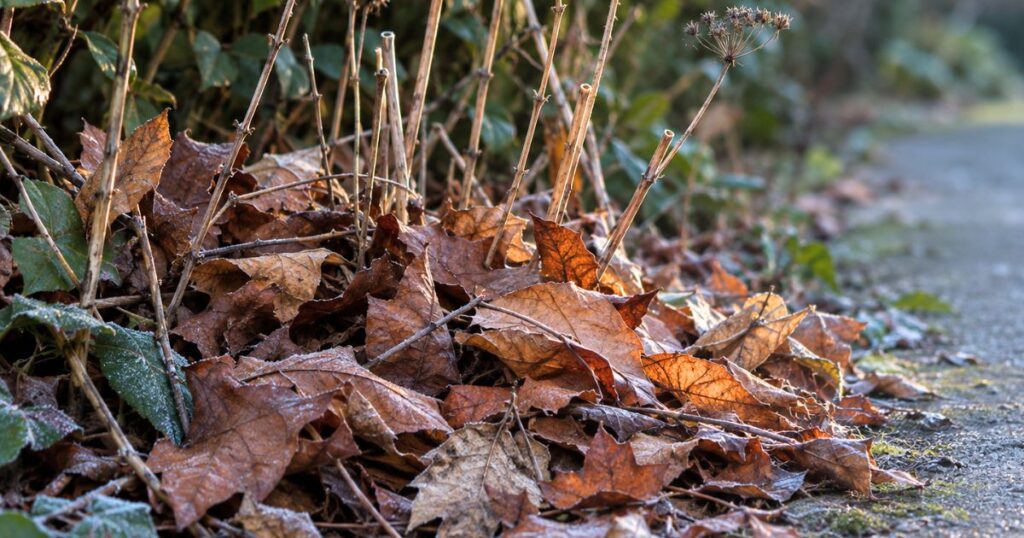
Fallen leaves, hollow stems, seed heads and small piles of twigs provide valuable shelter and food for insects and other creatures.
Rather than clearing every last leaf from your borders, leave some in quieter areas. A small pile beneath a hedge or in an undisturbed corner can provide a useful hiding place for insects and other invertebrates.
You can still keep lawns, patios and pathways tidy whilst leaving a few natural areas for wildlife.
3. Create a winter home for hedgehogs
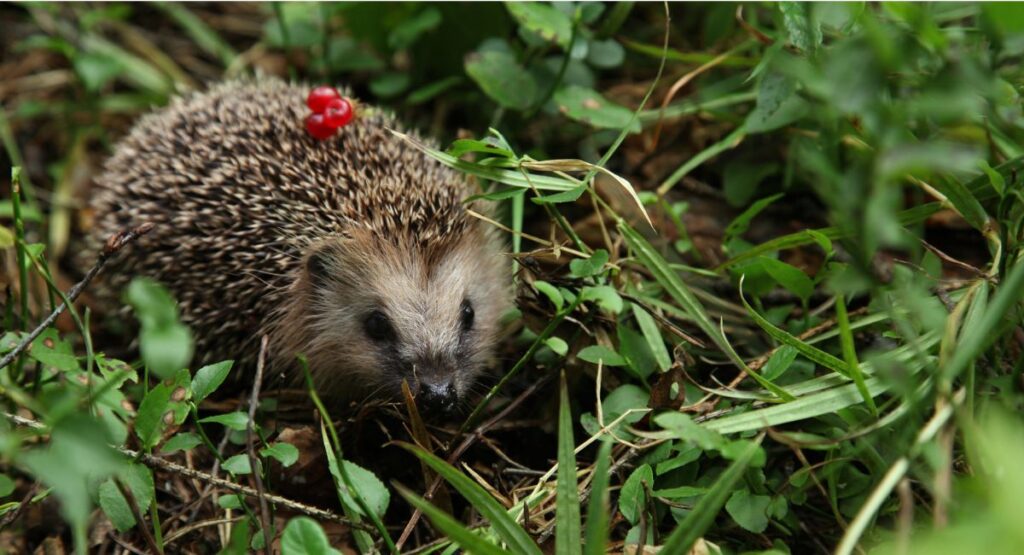
Hedgehogs are sadly classified as vulnerable to extinction in the UK. They need safe, undisturbed places to hibernate during the colder months, and gardens can provide valuable shelter.
A quiet corner with leaves, logs and natural garden debris can offer somewhere to nest. You could also install a purpose-made hedgehog house in a sheltered spot.
If you have a garden pond, make sure there’s a gentle slope or ramp to help wildlife climb out if they fall in.
Always check piles of leaves and garden waste carefully before moving or burning them, as hedgehogs and other wildlife may be sheltering inside.
4. Plant for winter colour and wildlife
Your garden doesn’t have to be without colour or interest during winter.
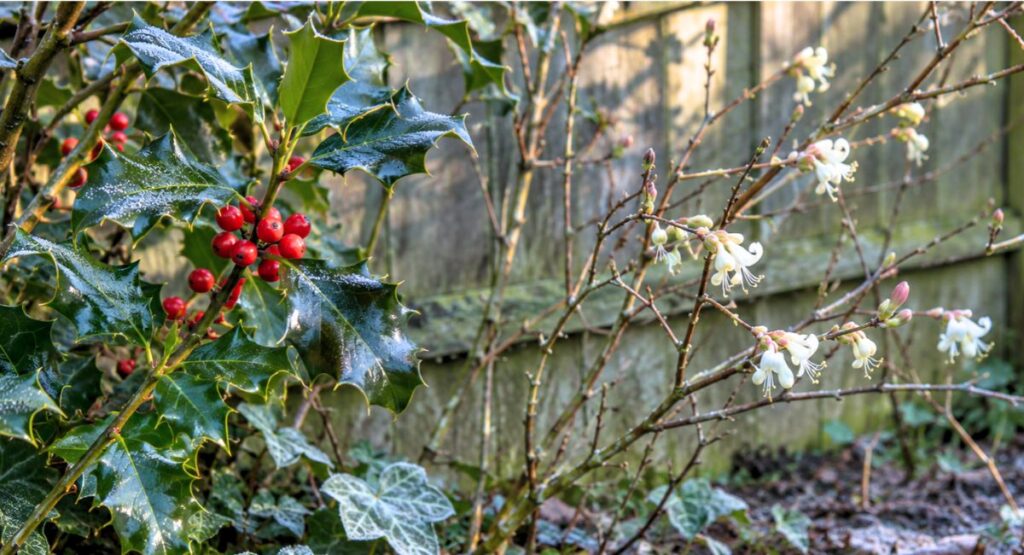
Evergreen shrubs, winter-flowering plants and berry-producing trees can keep your garden looking attractive whilst providing valuable resources for wildlife.
Holly, ivy and cotoneaster offer berries or shelter, while winter-flowering plants such as winter honeysuckle and winter jasmine can provide food for pollinating insects during milder spells.
If you’re planning ahead for spring, December is also a good time to think about planting spring-flowering bulbs such as crocuses and snowdrops, which provide an early source of nectar for emerging pollinators.
5. Keep your garden pond wildlife-friendly
A garden pond can be an important feature for wildlife throughout the year.
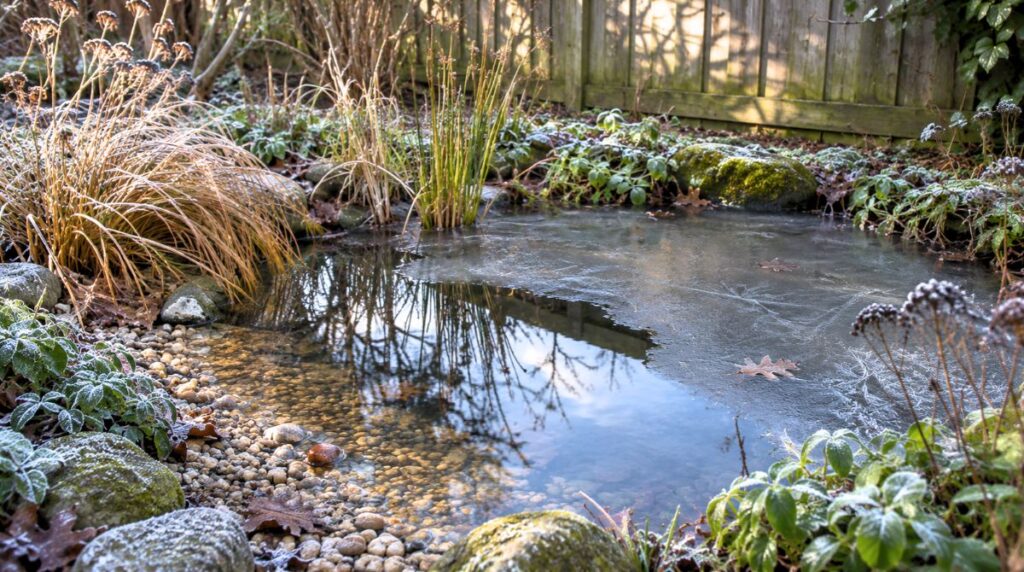
During winter, avoid disturbing it unnecessarily. Remove excessive fallen leaves if needed, but leave some natural cover around the edges.
If the surface freezes, don’t smash the ice, as this can harm wildlife beneath the water. To create an opening, gently place a saucepan of warm water on the ice to melt a small hole.
Alternatively, leave a tennis ball floating on the pond. If it freezes over, gently remove the ball and use the opening to maintain a small air hole.
A wildlife-friendly pond with shallow edges, surrounding plants and places for creatures to shelter can be a valuable addition to any garden.
6. Make a little space for nature next year
December is a great time to start thinking about how you’d like your garden to look in the coming year.
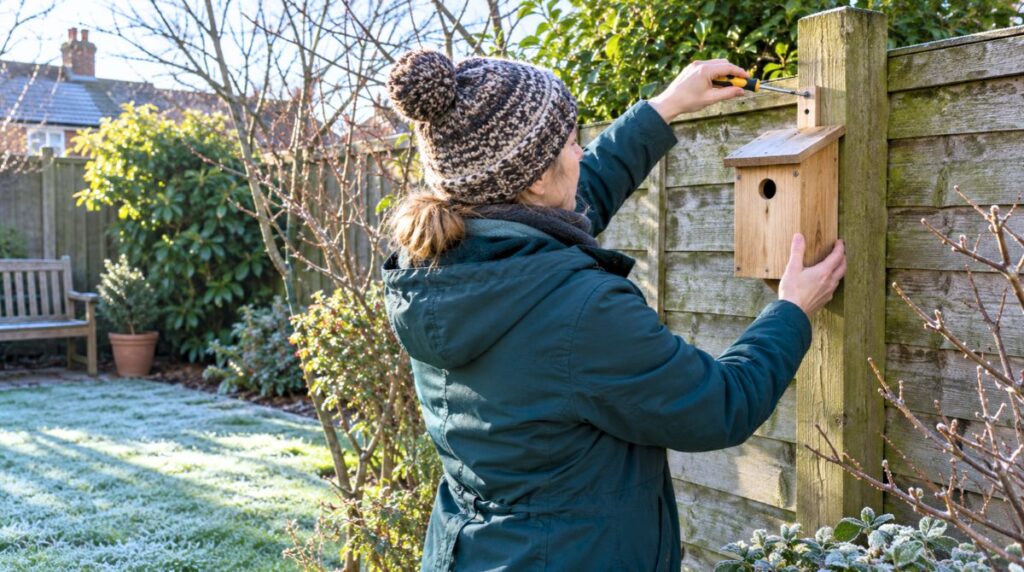
Could you introduce a small wildflower area, add more pollinator-friendly plants, install a bird box or create a dedicated wildlife corner?
Even small changes can make a difference. You don’t need to transform your entire garden to encourage more wildlife.
A garden that combines practical spaces for relaxing and entertaining with a few natural areas can be both attractive and beneficial to local wildlife.
At MowersUK, we know that a great garden isn’t just about keeping the lawn looking its best. It’s about creating an outdoor space you can share with nature and enjoy throughout the year. What will you add to your garden to help nature?
From all of us at MowersUK, we wish you a wonderful Christmas and a happy New Year!