Water-Wise Gardening Tips for August What Can You Do During A Heatwave
With little rainfall on the horizon and lawns across the country turning brown, it’s important to adjust your gardening routine to help plants, borders and grass cope with the stress of prolonged dry conditions.
Here are some simple ways to help your garden and make every drop count.
5 Things to Do
This Month
Simple steps to help your garden thrive through hot, dry weather and get ready for Autumn.
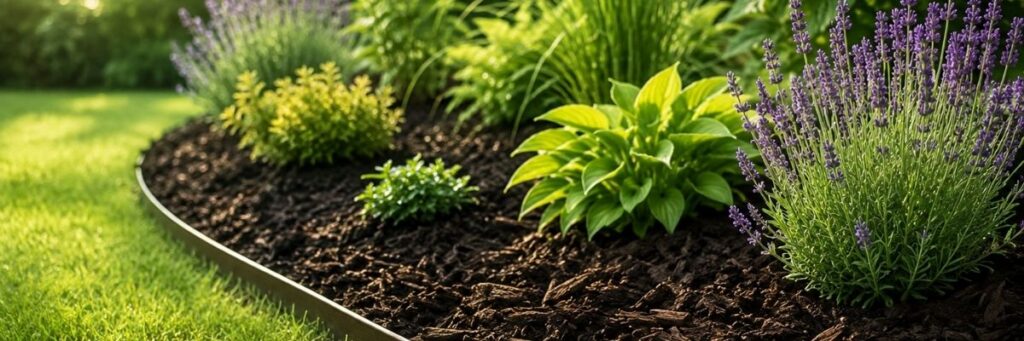
Mulching
Add a layer of mulch around plants to lock in moisture, keep roots cool and supress weeds.
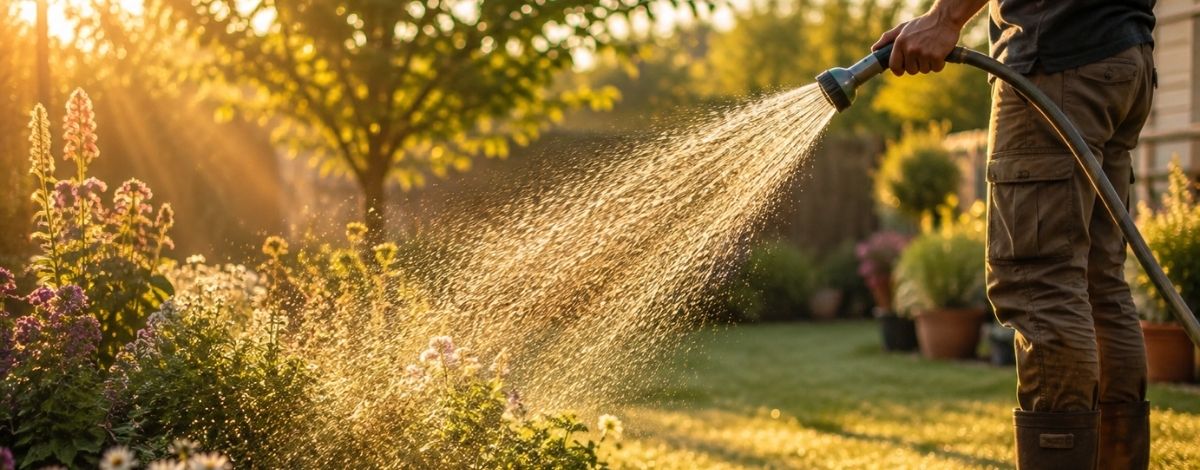
Watering
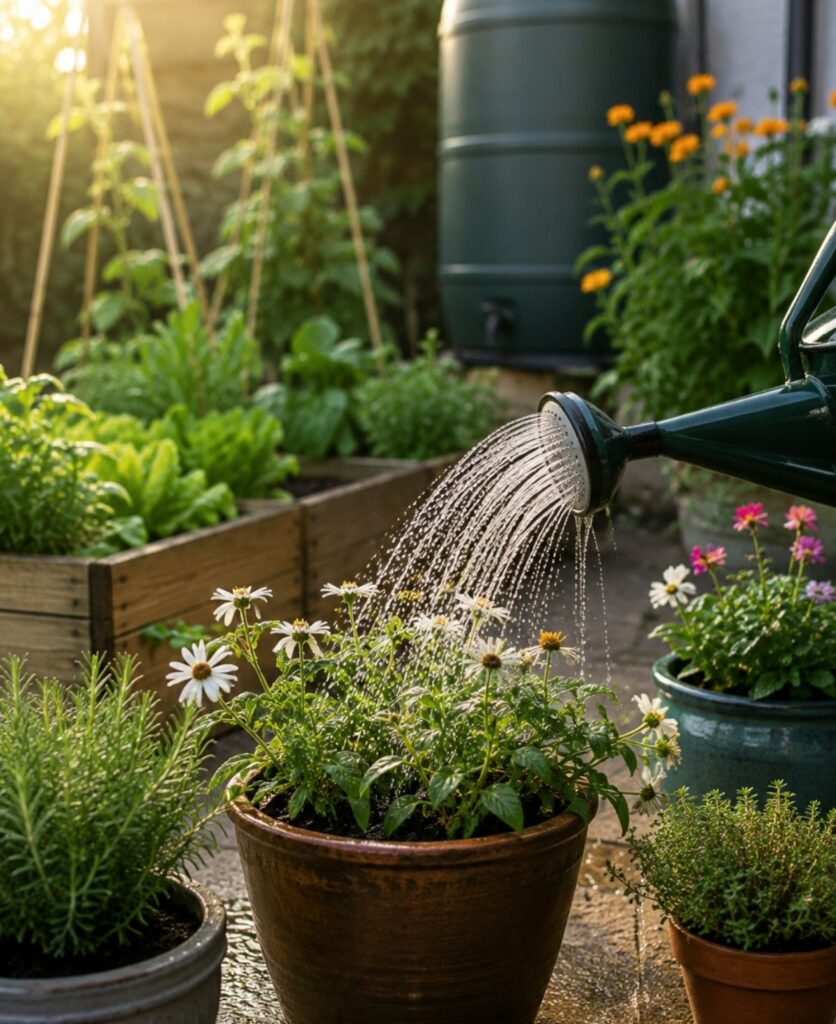
Water early in the morning and focus on vulnerable plants. Collect and reuse water where you can.
Weeding
Remove weeds regularly to reduce competition for moisture and nutrients.
Mowing
Let your lawn rest. Avoid watering and consider scarifying in autumn to remove thatch.
Preparing
Use August to service equipment, sharpen blades and plan for autumn lawn care.
1. Mulching
Mulch Beds and Borders
Applying a layer of mulch around plants can significantly reduce moisture loss from the soil.
Organic materials such as compost, bark chips or well-rotted manure help insulate roots from heat while also suppressing weeds that compete for valuable water.
2. Watering
Water Early in the Morning
If watering is necessary, aim to do it early in the day. Cool morning temperatures mean less water is lost through evaporation and plants have time to absorb moisture before the hottest part of the afternoon.
Prioritise Vulnerable Plants
Established shrubs and trees can usually fend for themselves. Focus your watering efforts on:
Newly planted shrubs and perennials
Hanging baskets
Containers and pots
Fruit and vegetable crops
Newly laid turf
These plants have smaller root systems and are much more vulnerable to prolonged drought. Fruit and vegetables will be smaller when they crop if they don’t get enough water.
Collect Water Where Possible
Although rainfall may be scarce, water butts can still capture any showers that do arrive.
Using stored rainwater is often better for plants and can help reduce pressure on mains water supplies during prolonged dry periods.
You can also collect run-off from your taps and even use your grey water (from showers, baths and bathroom sinks). Grey water should be used within 24 hours of collection and is suitable for more established trees and shrubs. It should be applied to the soil, avoiding the leaves, and alternated with clean water. It is not suitable for leafy vegetables, herbs that are eaten raw or for root vegetables where the edible part is in contact with the soil.
3. Weeding
Remove Weeds Regularly
Weeds compete directly with your plants for moisture and nutrients. Keeping borders weed-free is one of the easiest ways to ensure precious water reaches the plants you actually want to grow.
4. Mowing
Helping Your Lawn
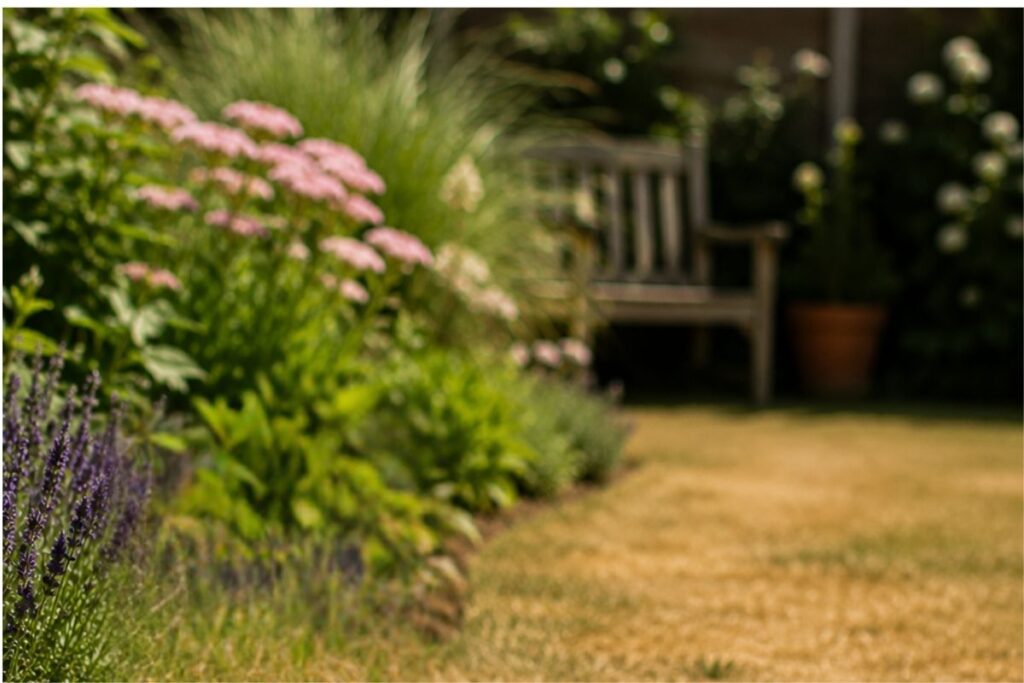
Whilst seeing your lawn turn yellow or brown can be alarming, in most cases it’s nothing to worry about. Grass is remarkably resilient and will often enter a state of dormancy during extended dry periods and flourish again once the rain returns.
Unless your lawn is newly seeded or recently laid, it can actually harm your lawn to water it during dry periods. This encourages shallow roots and means your grass will become even more dependent on regular moisture.
Consider Scarifying in Autumn
When the grass has been very brown, it may be left with extra dead matter (thatch) once it has recovered. If this is allowed to build up, it can reduce the nutrients that reach the lawn’s roots and affect its long-term health. It may be worth scarifying in the autumn to remove the thatch.
5. Preparing
Use August to Prepare for Autumn
Service your lawn mower.
Sharpen blades.
Check garden tools.
Plan autumn lawn treatments.
Prepare areas for future planting.
When the rain eventually returns, you’ll be ready to make the most of the growing conditions!